Illustration with storytelling isn’t about asking for an AI-generated picture; it’s about using AI to choose materials and methods, to get the right vibe with your own hands.
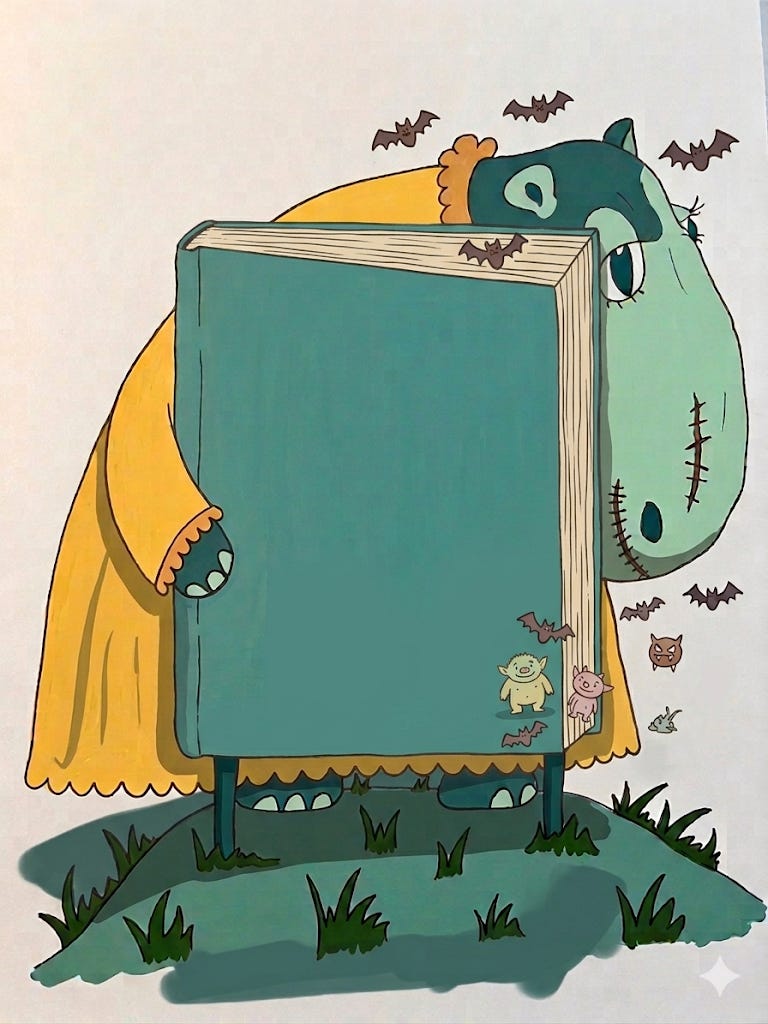
The Death of the “AI” Image
For the past few years, AI in illustration boomed, because people could use generative AI to create amazing visions, pictures and for sure, many of them felt stunning. But many times, AI images have felt pretty plain, too granular and the same. For many, prompting them been like a lottery. You type a prompt, pull the lever, and hope the machine gives you something usable. But for professional illustrators and storytellers, “random” and “general“ are the enemy. In commercials, we crave what is different and strikes a nerve. We need continuity, intent, and our own hand and head. And, we do not always want to create bleak imitations of a master’s work risking copyright theft.
So I experimented in Gemini, and made the blueprint for what Gemini named the AI-Conductor: a service design experiment that moves AI from the “artist’s seat” to the hand of the illustrator, using a “rendering desk.
1. The Anchor: Respecting the Source
In this new workflow, the AI never starts with a blank canvas. It starts with your sketch. A human Anchor, your own physical pencil sketch. The aim is to stay close to our own sketchwork and use AI as a material to iterate on new versions as we go.
From a Service Design perspective, this is also about integrity and copyright ethics as well as ownership. By locking the AI to the artist’s original lines, we want to prompt that the “soul” of the composition at its core remains the artists. The AI isn’t the creator; it’s the material and the tooling we use. It is the high-end ink and paper used to finish our thoughts.
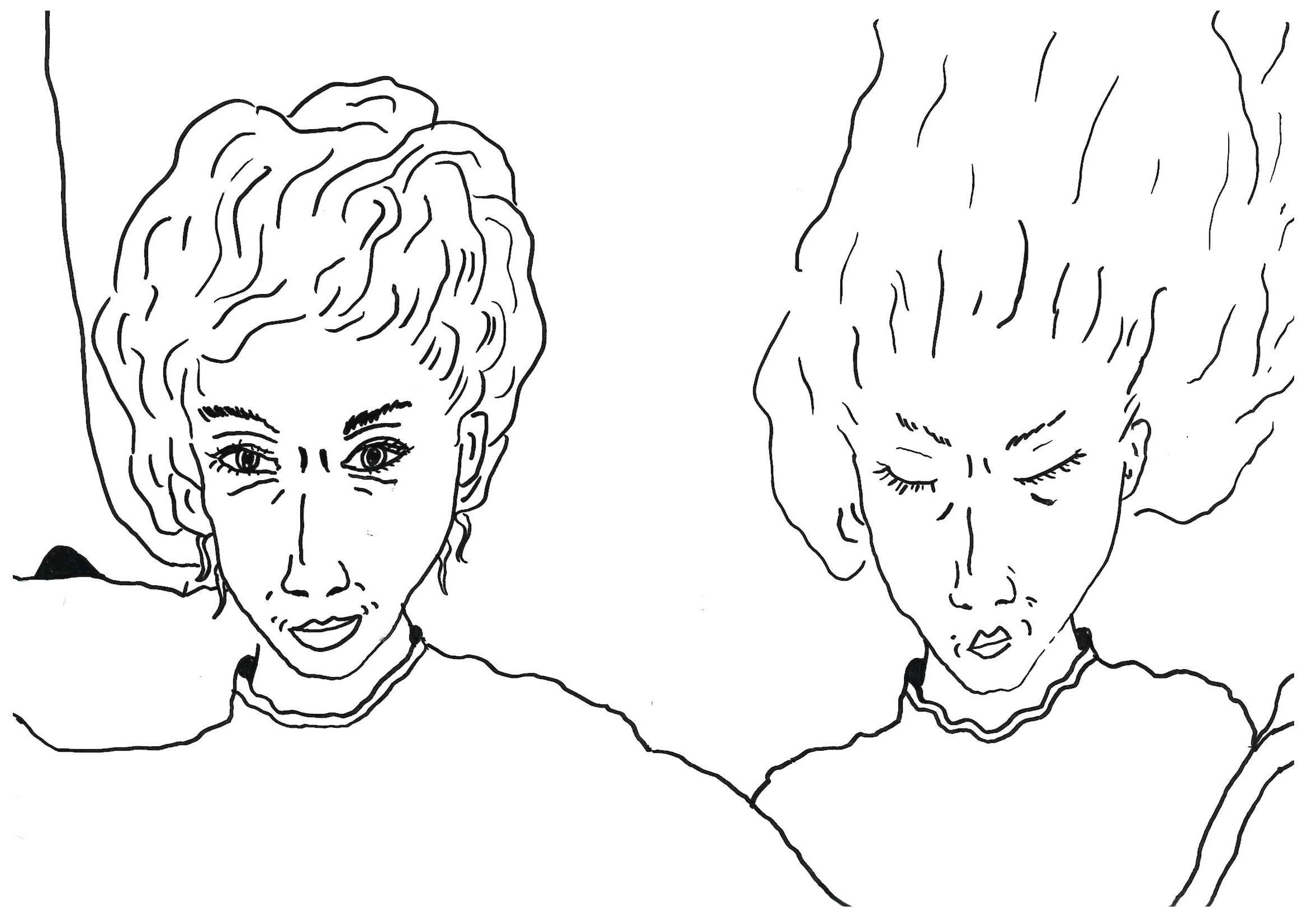
At its core, the idea is to keep illustration human, but use AI to choose materials and techniques such as paper and pens and colours.
And by doing so, have a perfect small use case for everyday use. To produce your own illustrations, with a human vibe and feel, but with the speed and optionality AI offers.
So I started to test how to make it more convinient to colour my sketches. A kind of colouring book where I provide the sketches and the AI offer me a choice of paper, pens, colour and method of choice.
Then, you could use AI to enhance small parts of your illustration. I believe it’s not an either-or, but to sense and judge the way you want to go. Depending on the audience, depending on the timeframe and budget.
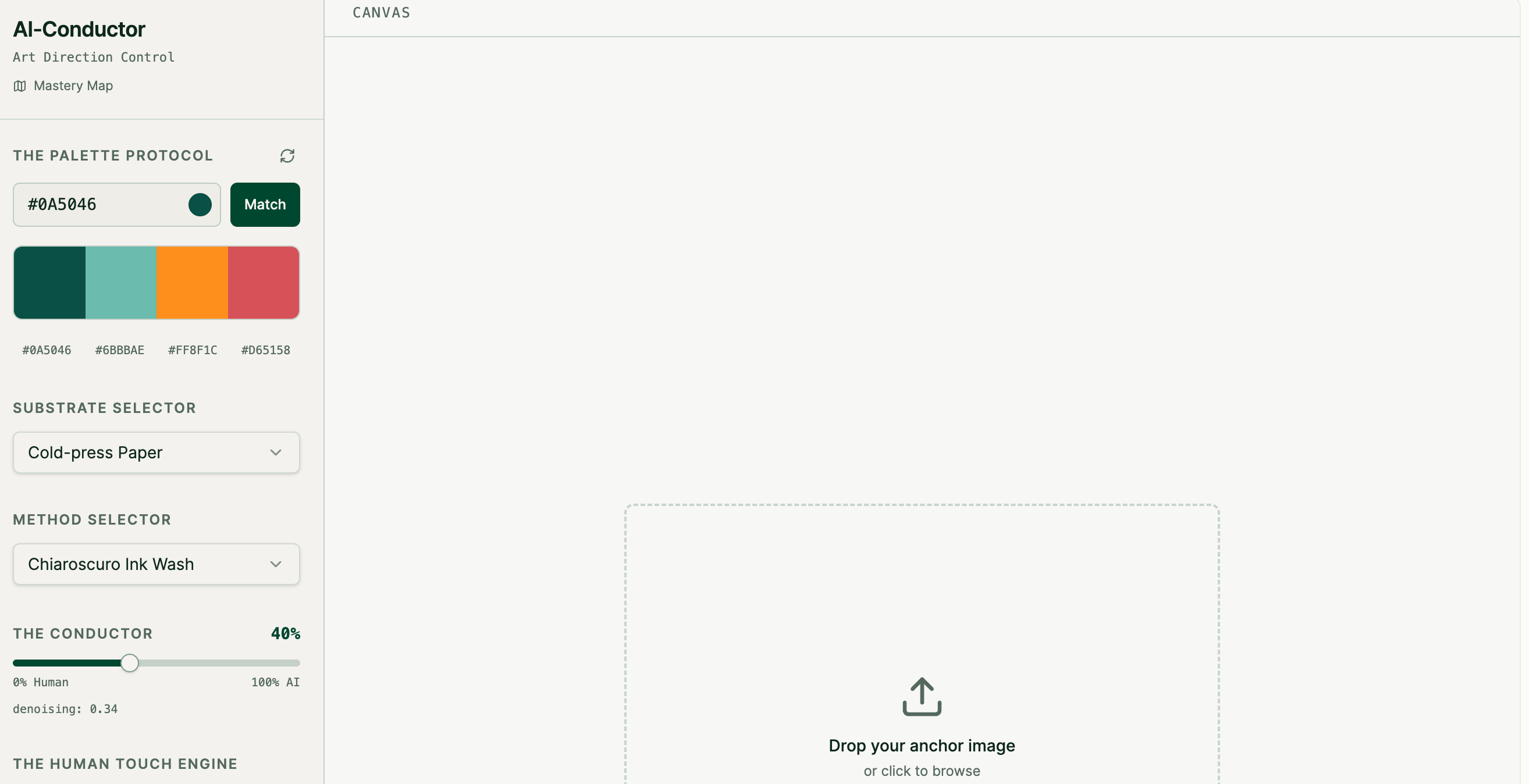
Suddenly, I had built the start of a simple service for colouring. I included options of choosing colours, paper, and method. Features to look for a style and reuse it, and to apply the same style to a batch of illustrations. If you want to try it, send me a notification on LinkedIn. I need to pay for rendering with credits. Basically, I care for what illustrators need. Let me know, and I will do my best to bring those insights.
2. Craft over Celebrity: Mastering the Method
However, we need to work against the will of AI to turn towards statistical generalisations, and this is what we try to do here. We’ve therefore made a conscious choice not to focus on artist names in our system. We want to colour our sketches. We do not want it to turn it to somebody elses style, the LLM:s been trained on. Instead of asking for a “specific artist’s style,” the AI-Conductor asks the user to master the methods of the craft.
- High-Contrast Chiaroscuro for atmospheric depth.
- Lithographic Grain for tactile, analogue grit.
- Technical Cross-Hatching for line precision.
This could transform the AI conductor into a potential Masterclass. Users don’t just get their image; over time, they learn the methods and vocabulary of art history.
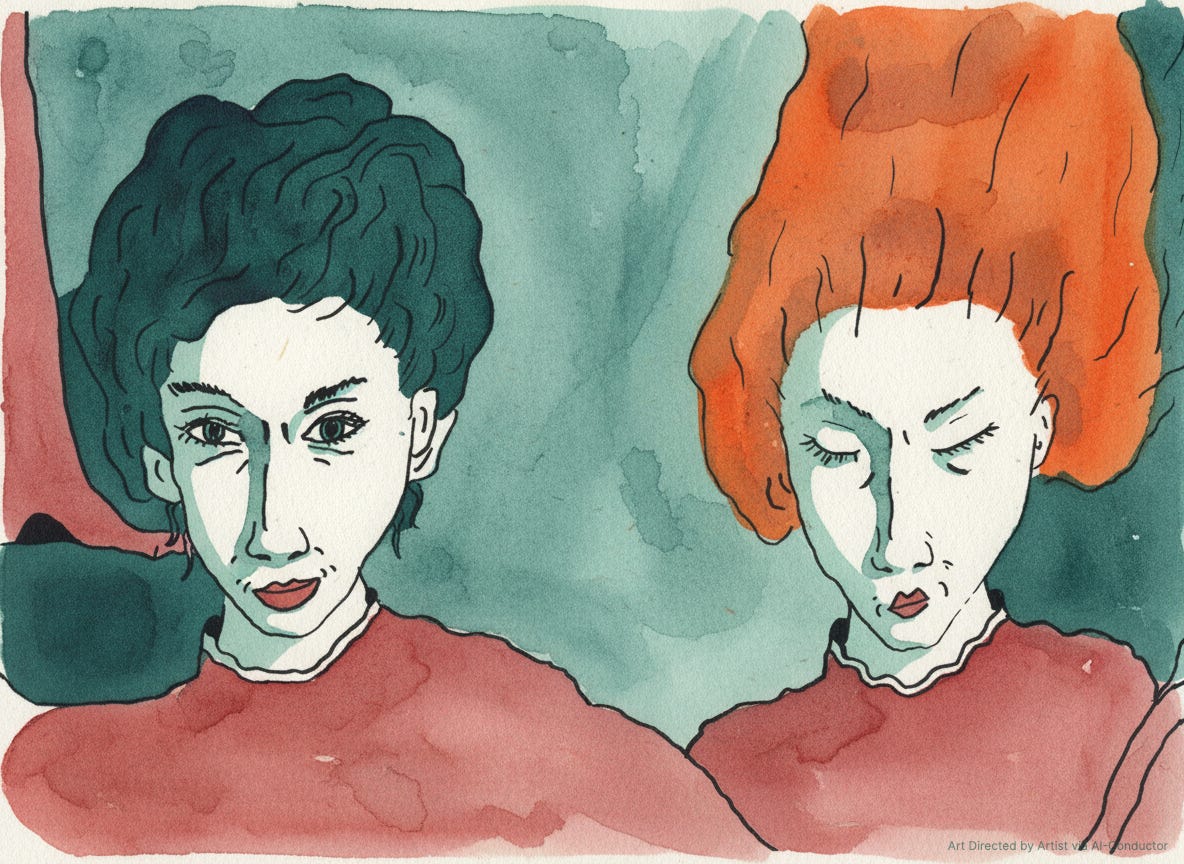
3. The Mastery Map: A Visual Syllabus
Of course, there would be plenty of AI-driven possible features. Such as the Mastery Map. As you use the service, it tracks your technical evolution. Because this is where people with domain knowledge and skills of the craft become superior. They know how to turn their vision into something tangible.
- Did you master ink washes this week?
- Are you ready to branch into folk-art contours?
The intention of the service is not just to deliver a file, but to contribute to the user’s growth as an illustrator.
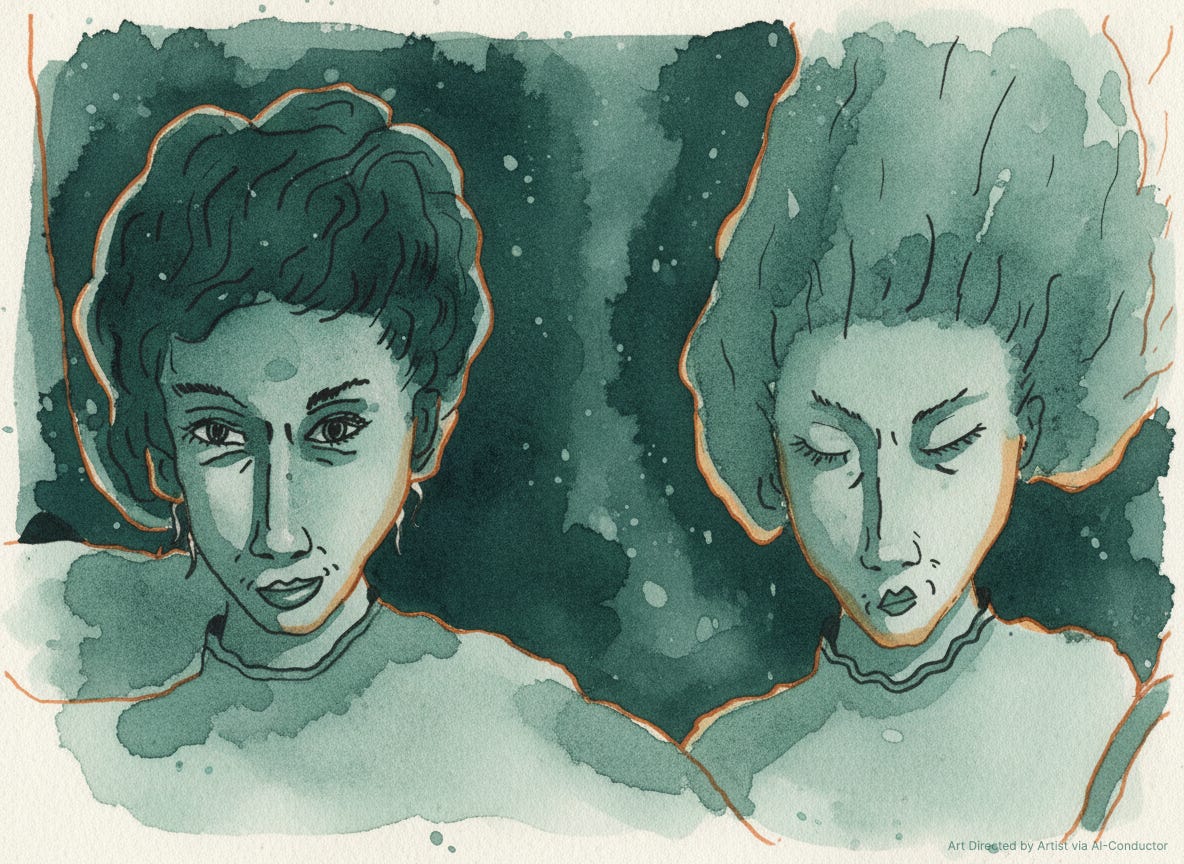
4. Continuity in Storytelling: The Recipe Vault
The biggest hurdle in AI storytelling has been consistency. How do you make page 1 look like page 100? Through The Recipe Vault, users can save the “chemical makeup” of their visual world. The specific hex-codes, paper textures, and AI influence levels. By applying these “Recipes” to a Batch Upload of 10 sketches at once, an illustrator can render an entire storyboard in minutes, ensuring a unified visual voice across the whole narrative.
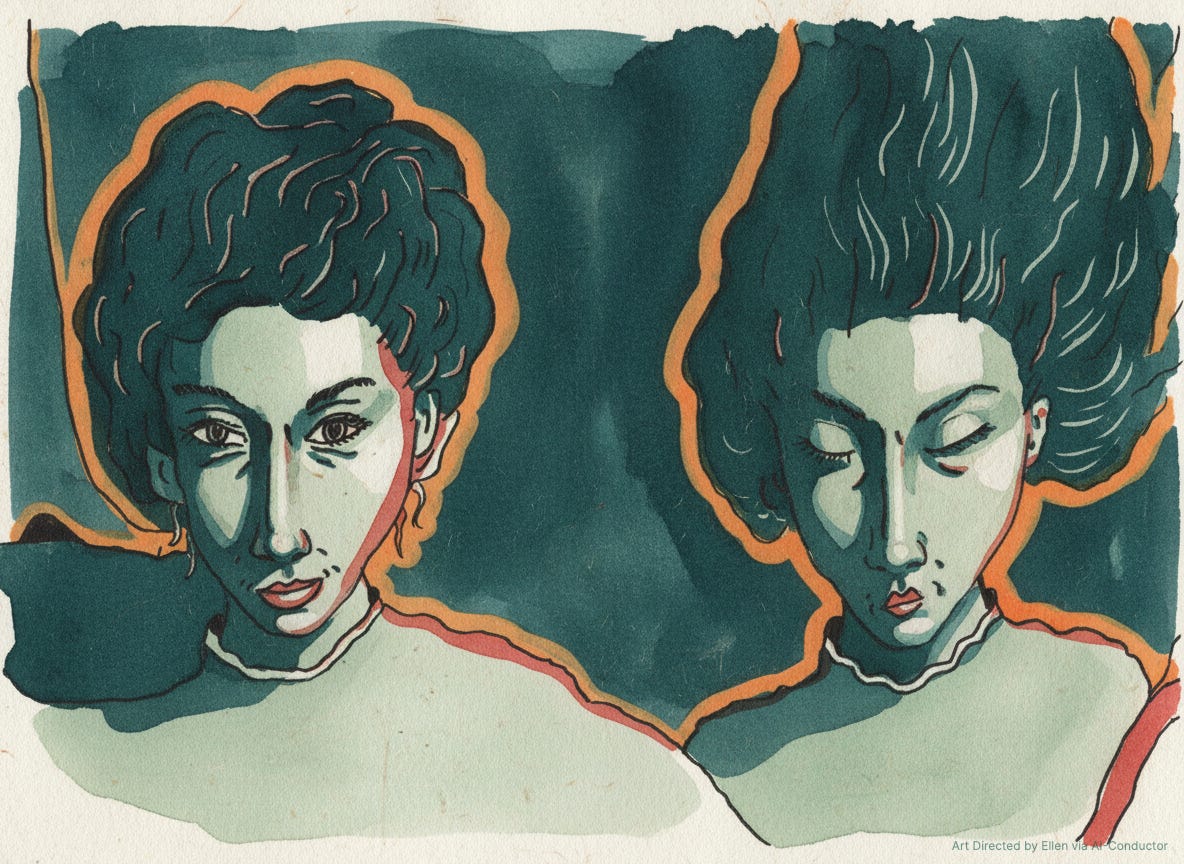
The “Human-in-the-Loop” Business Model
At the core, this is about to save the artist’s time while protecting their personal style.
Of course, more opportunities arise with AI driven services. AI could be used for moving toward a “Style Forensics” model, where the AI analyses your sketch to suggest the best craft method for your specific line-work. The important difference from the images we have seen the last couple of years, is that I believe we have use cases of making illustrations with AI, but not letting it dictating your style
It’s all about finding the perfect mix of when and where to use AI, and when to use the human hand and mind.
O follow along, for more content of my AI Service Journey at Substack – Subscribe now